Soulmate – an Etheree

Soulmate


Soulmate

Old Oak

Commitment

You there always

Around, beside me

Reside deep inside me

Nights sultry and days splendid

Wake up to life better than dreams

Years together winter summer rain

You there unnoticed but necessary


The poetry form, Etheree, consists of 10 lines of 1, 2, 3, 4, 5, 6, 7, 8, 9, 10 syllables. Etheree can also be reversed and written 10, 9, 8, 7, 6, 5, 4, 3, 2, 1. Get creative and write an Etheree with more than one verse, but follow suit with an inverted syllable count.

Reversed Etheree: 10, 9, 8, 7, 6, 5, 4, 3, 2, 1

Double Etheree: 1, 2, 3, 4, 5, 6, 7, 8, 9, 10, 10, 9, 8, 7, 5, 4, 3, 2, 1

…Triple Etheree, Quadruple Etheree, and so on!

Yeh Nayan Dare Dare

नयन तुम्हारे हम पर जादू कर देंगे
न पता था वोही इस तरह ठग लेंगे
हमने सोचा उन बाँध नयन मैं होगी हमारी शरण
पता न था बेघर कर जाएँगे हमें यूँही बेकारण

Happiness – A Haiku

Happiness - A haikuHaiku Rules: 

An unrhymed Japanese poem recording the essence of a moment. Nature is combined with human nature. It usually consists of three lines of 5/7/5 (5 kana in the first line, 7 kana in the second line, and 5 kana in the third line) totaling seventeen kana.

A foreign adaptation of 1, usually written in three lines totaling 17 syllables or LESS.

Haiku is not written in the past, nor does it cover a long period of time.

Haiku usually contains a season word (called kigo). It is not a requirement, but season words are a big part of haiku.

Personal note: while I ain’t a pro at Haiku, I find some  Haiku’s written devoid of anything to do with seasons or nature. While it may be completely a poet’s liberty and rightly so I personally find Haiku’s with a comparison of nature and human nature beautiful.


O’Lover – A Sedoka Poem

Katauta

My first attempt at a Sedoka. The Katauta is an unrhymed Japanese form consisting of 17 or 19 syllables. The poem is a three-lined poem the following syllable counts: 5/7/5 or 5/7/7.

The Katauta form was used for poems addressed to a lover. A single katauta is considered incomplete or a half-poem, however, a pair of katautas using the syllable count of 5,7,7 is called a sedoka. 

Welcome the Storm

Welcome the Storm


T’was us t’was me and you

You promised me all my dreams come true

You promised me sunshine in winters

And be by me like autumn dew

I in turn stood by you in dusk and dawn

Took a thorny path of no return

We saw together the coming storm

I am sure you did protect me with no harm

When the storm hit me, I looked for your hand

Nowhere was your presence left me disdained

I faced the storm alone and strong

It taught me lessons of my wrong

You responded to none, my pain and my cries

Now all I wait is for this time to fly

All I look for now is strong commitment

One day, yes I wait for the day to get over this disenchantment.


Image Source: Photobucket

Seduction – A Haiku

Dew on rose petal

Pearls of perspiration travel down your brow onto my shoulders

Like the dew drops trickle on a rose petal

धीरे धीरे …….मद्धम मद्धम

Image Source: Flickr

Note: Have taken a little leeway from the rules of a Haiku 🙂

Soul – A Diamante

Soul leaving body

Soul

Kindled  passionate

Flaming Seducing

Hopeful Happy Luckless Chastened

Inflicting Scourging Punishing

Wakeful Pious

Spirit

I have tried a new poem form called Diamante. A Diamante is a seven-lined contrast poem set up in a diamond shape. The first line begins with a noun/subject, and second line contains two adjectives that describe the beginning noun. The third line contains three words ending in -ing relating to the noun/subject. The forth line contains two words that describe the noun/subject and two that describe the closing synonym/antonym. If using an antonym for the ending, this is where the shift should occur. In the fifth line are three more -ing words describing the ending antonym/synonym, and the sixth are two more adjectives describing the ending antonym/synonym. The last line ends with the first noun’s antonym or synonym.

Line 1: Noun or subject
Line 2: Two Adjectives describing the first noun/subject
Line 3: Three -ing words describing the first noun/subject
Line 4: Four words: two about the first noun/subject, two about the antonym/synonym
Line 5: Three -ing words about the antonym/synonym
Line 6: Two adjectives describing the antonym/synonym
Line 7: Antonym/synonym for the subject

Would like more readers and friends to join in 🙂

Ajab si Pagal Ladki Hai

अजब पागल सी लड़की है,
मुझे हर ख़त में लिखती है,
मुझे तुम याद करते हो?
तुम्हे मैं याद आती हूँ?
मेरी बातें सताती हैं,
मेरी नींदे जगाती हैं,
मेरी आँखे रुलाती हैं,

दिसंबर की सुनहरी धुप में अब भी टहलते हो?
किसी खामोश रस्ते से,
कोई आवाज़ आती है?
ठिठरती सर्द रातों में,
तुम अब भी छत पे जाते हो?
फलक के सब सितारों को,
मेरी बातें सुनाते हो?

किताबों से तुम्हारे इश्क में कोई कमी आई?
या मेरी याद के शिद्दत से आँखों में नमी आई?

अजब पागल सी लड़की है,
मुझे हर ख़त में लिखती है,

जवाबन उस को लिखता हूँ,

मेरी मसरुफिअत देखो,

सुबह से शाम ऑफिस में,
चिराग-ए-उम्र जलता है,
फिर उसके बाद दुनिया की,
कईं मज़बूरीयां पाओं में,
बेड़ी डाल रखती है,
मुझे बेफ़िक्र चाहत से,
भरे सपने नहीं दिखते,
टहलने, जागने, रोने की,
मोहलत ही नहीं मिलती,
सितारों से मिले अरसा हुआ,
नाराज़ हों शायद,
किताबों से शुगफ मेरा,
अभी वैसे ही कायम है,
फर्क इतना पड़ा है बस,
उन्हें अरसे में पढ़ता हूँ,

तुम्हे किसने कहा पगली,
तुम्हे मैं याद करता हूँ,

के मैं खुद को भुलाने की,
मुसलसल जुस्तजू में हूँ,
मगर ये जुस्तजू मेरी,
बहुत नाकाम रहती है,
मेरे दिन रात में अब भी,
तुम्हारी शाम रहती है,
मेरे लफ़्ज़ों की हर माला,
तुम्हारे नाम रहती है,
तुम्हे किसने कहा पगली,
तुम्हे मैं याद करता हूँ,

पुरानी बात है जो लोग अक्सर गुनगुनाते हैं,
उन्हें हम याद करते हैं जिन्हें हम भूल जाते हैं,

अजब पागल लड़की हो,
मेरी मसरुफिअत देखो,
तुम्हे दिल से भुलाऊ,
तो तुम्हारी याद आये ना,
तुम्हे दिल से भुलाने की,

मुझे फुरसत नहीं मिलती,

और इस मसरूफ जीवन में,
तुम्हारे ख़त का इक जुमला,
“तुम्हे मैं याद आती हूँ?”
मेरी चाहत की शिद्दत में,
कमी होने नहीं देता,
बहुत रातें जगाता है,
मुझे सोने नहीं देता,
सो अगली बार अपने ख़त में,
ये जुमला नहीं लिखना,

अजब पागल सी लड़की है,
मुझे फिर भी ये लिखती है,
मुझे तुम याद करते हो?
तुम्हे मैं याद आती हूँ?

I have tried reciting this beautiful Urdu nazm in my voice, hope you like it 🙂

कवि: अंजान
वीडियो: श्वेता दवे

What did you Think ;)

the hug


Listen………..Ya say

Let me in, if you may

No you cause pain

I promise I wont, it will be your gain

Door opens, they  hug, fight ends, happy end of day!

This is my first try at the Limerick poetry form. Hope you enjoy it!

A notable Limerick – which won an Irish ‘Listowel Writers Week’ prize in 1998 – exemplifies the structure:

Writing a Limerick’s absurd,
Line one and line five rhyme in word,
And just as you’ve reckoned
They rhyme with the second;
The fourth line must rhyme with the third.

Image Source: Pinterest

More on Limerick: Here

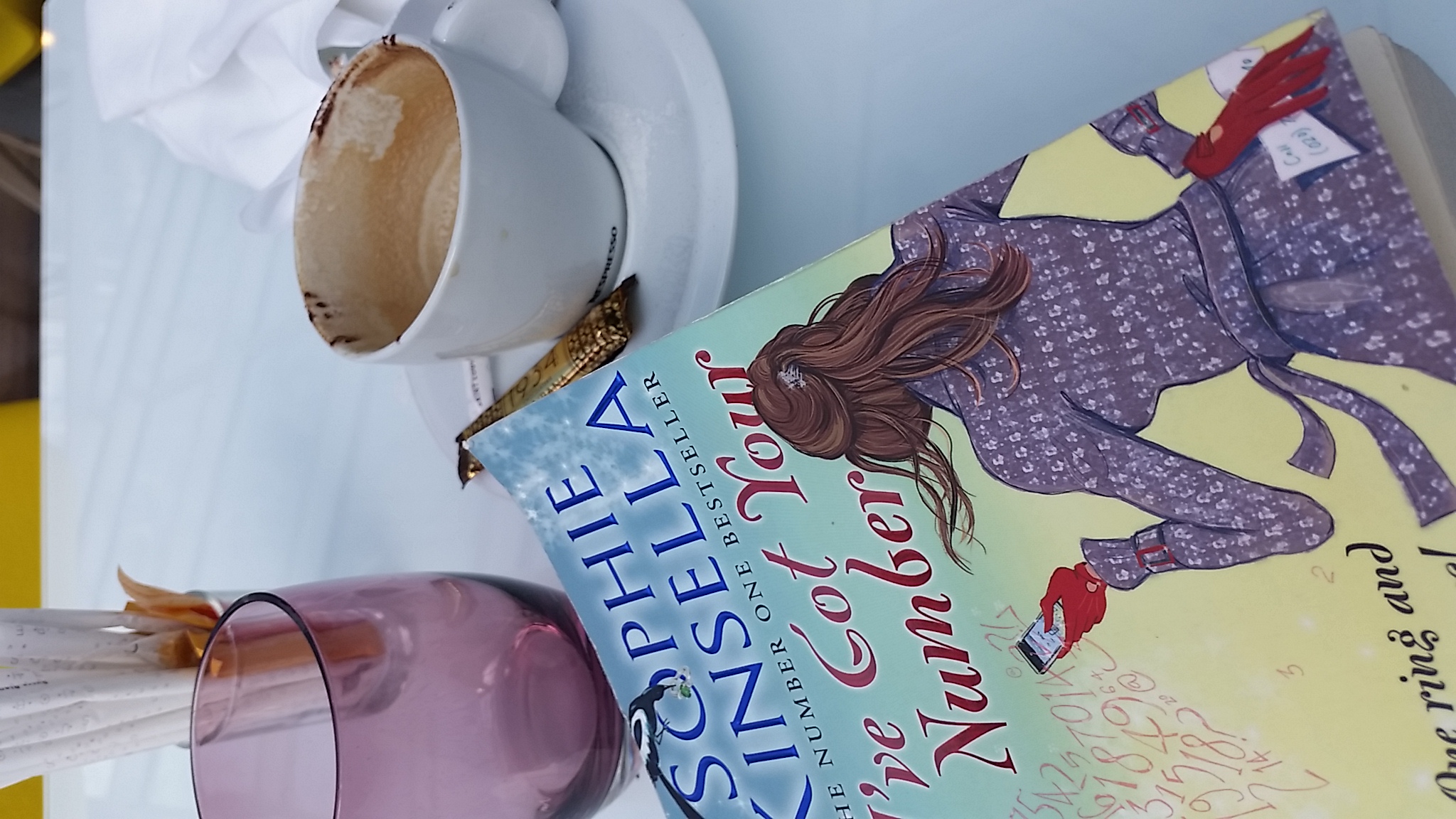
Just a Coffee Cup

Over Coffee
Over Coffee


I have heard a many chatter

Seen each character

Some in loneliness desolve

Couples trying hard to resolve

Then there are those who always laugh out loud

And the women glamorous fake a pout

Couples whisper over me sweet nothings

Hours spent by some over writings and readings

A harem of women come to gossip

Not watching the words as they sip

Of all my favorite is a couple old

Abundance shared but words few told

They sit across holding hands trembling

Smiling and loving the life’s rambling

I hear all pretty close up

It all happens over me, a coffee cup!

This is for my bestie Hiri, she messaged me yesterday asking me to write on a coffee cup! For you my babe!

Image source: Shweta Dave (Feels nice not going to Google images for once :))

IMG-20140803-WA0006
Hiri and me!