Carnal Sweet Love – Haiku 2

Haiku2

Haiku (also called nature or seasonal haiku) is an unrhymed Japanese verse consisting of three unrhymed lines of five, seven, and five syllables (5, 7, 5) or 17 syllables in all. Haiku is usually written in the present tense and focuses on nature (seasons)

The lost bird – Haiku

The lost bird

Haiku (also called nature or seasonal haiku) is an unrhymed Japanese verse consisting of three unrhymed lines of five, seven, and five syllables (5, 7, 5) or 17 syllables in all. Haiku is usually written in the present tense and focuses on nature (seasons)

Mind Clutter – a Haiku

Haiku

Haiku (also called nature or seasonal haiku) is an unrhymed Japanese verse consisting of three unrhymed lines of five, seven, and five syllables (5, 7, 5) or 17 syllables in all. Haiku is usually written in the present tense and focuses on nature (seasons).

Happiness – A Haiku

Happiness - A haikuHaiku Rules: 

An unrhymed Japanese poem recording the essence of a moment. Nature is combined with human nature. It usually consists of three lines of 5/7/5 (5 kana in the first line, 7 kana in the second line, and 5 kana in the third line) totaling seventeen kana.

A foreign adaptation of 1, usually written in three lines totaling 17 syllables or LESS.

Haiku is not written in the past, nor does it cover a long period of time.

Haiku usually contains a season word (called kigo). It is not a requirement, but season words are a big part of haiku.

Personal note: while I ain’t a pro at Haiku, I find some  Haiku’s written devoid of anything to do with seasons or nature. While it may be completely a poet’s liberty and rightly so I personally find Haiku’s with a comparison of nature and human nature beautiful.


Seduction – A Haiku

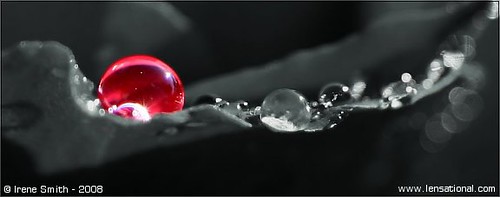
Dew on rose petal

Pearls of perspiration travel down your brow onto my shoulders

Like the dew drops trickle on a rose petal

धीरे धीरे …….मद्धम मद्धम

Image Source: Flickr

Note: Have taken a little leeway from the rules of a Haiku 🙂