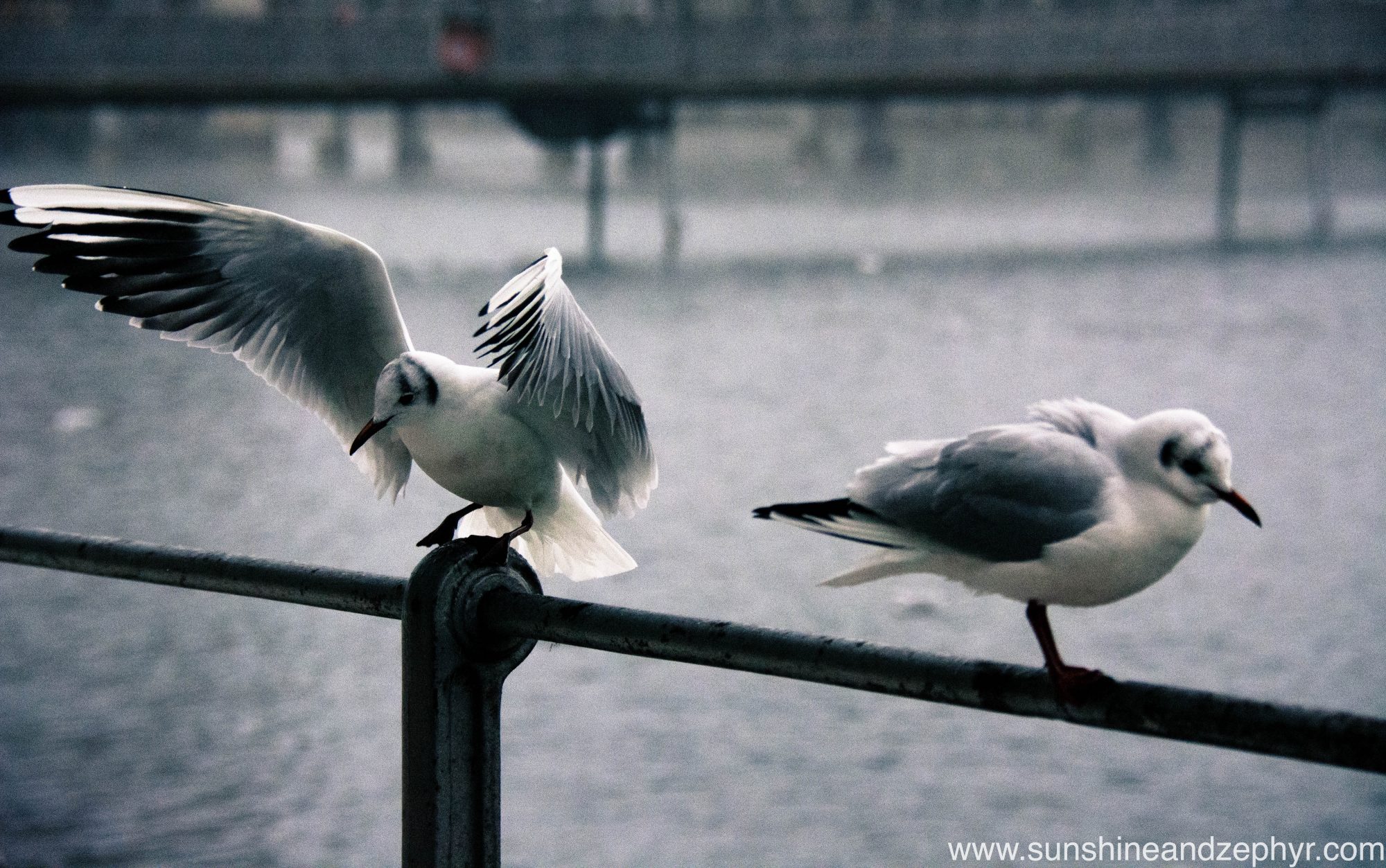

Nostalgia
Rohan entered the party hall with a pounding heart and heavy steps. Even after six years of separation all he longed for was a glimpse of those deep black eyes and fuller lips, that one face hers. Among the various standing figures he saw Ananya – nervously pretentious of being participative among them. One glance and he drank her presence along with her need of him. They had just parted ways not hearts…
Here is my humble try at recording Teri khushboo main base khat
जिनको दुनिया की निगाहों से छुपाए रखा
जिनको इक उम्र कलेजे से लगाए रखा
दीन जिनको जिन्हें ईमान बनाए रखा
तूने दुनिया की निगाहों से जो बचकर लिखे
साल हा साल मेरे नाम बराबर लिखे
कभी दिन में तो कभी रात को उठकर लिखे
तेरे खु़शबू में बसे ख़त मैं जलाता कैसे
प्यार में डूबे हुए ख़त मैं जलाता कैसे
तेरे हाथों के लिखे ख़त मैं जलाता कैसे
तेरे ख़त आज मैं गंगा में बहा आया हूँ
आग बहते हुए पानी में लगा आया हूँ
Translation:
Hidden from the eyes of the world, they were kept
Close to my heart for an age, they were kept
As my faith and conscience, they were kept
Close to my heart for an age, they were kept
As my faith and conscience, they were kept
Concealed from the world, you wrote them
Year after year, in my name, you wrote them
During the day, sometimes at night you wrote them
Steeped in your fragrance, these letters how could I burn
Immersed in love, these letters how could I burn
Written by your hands, these letters how could I burn
Your letters afloat in the Ganga I have set
On fire, the flowing waters I have set
Lyrics and translation: Source
O’Lover – A Sedoka Poem
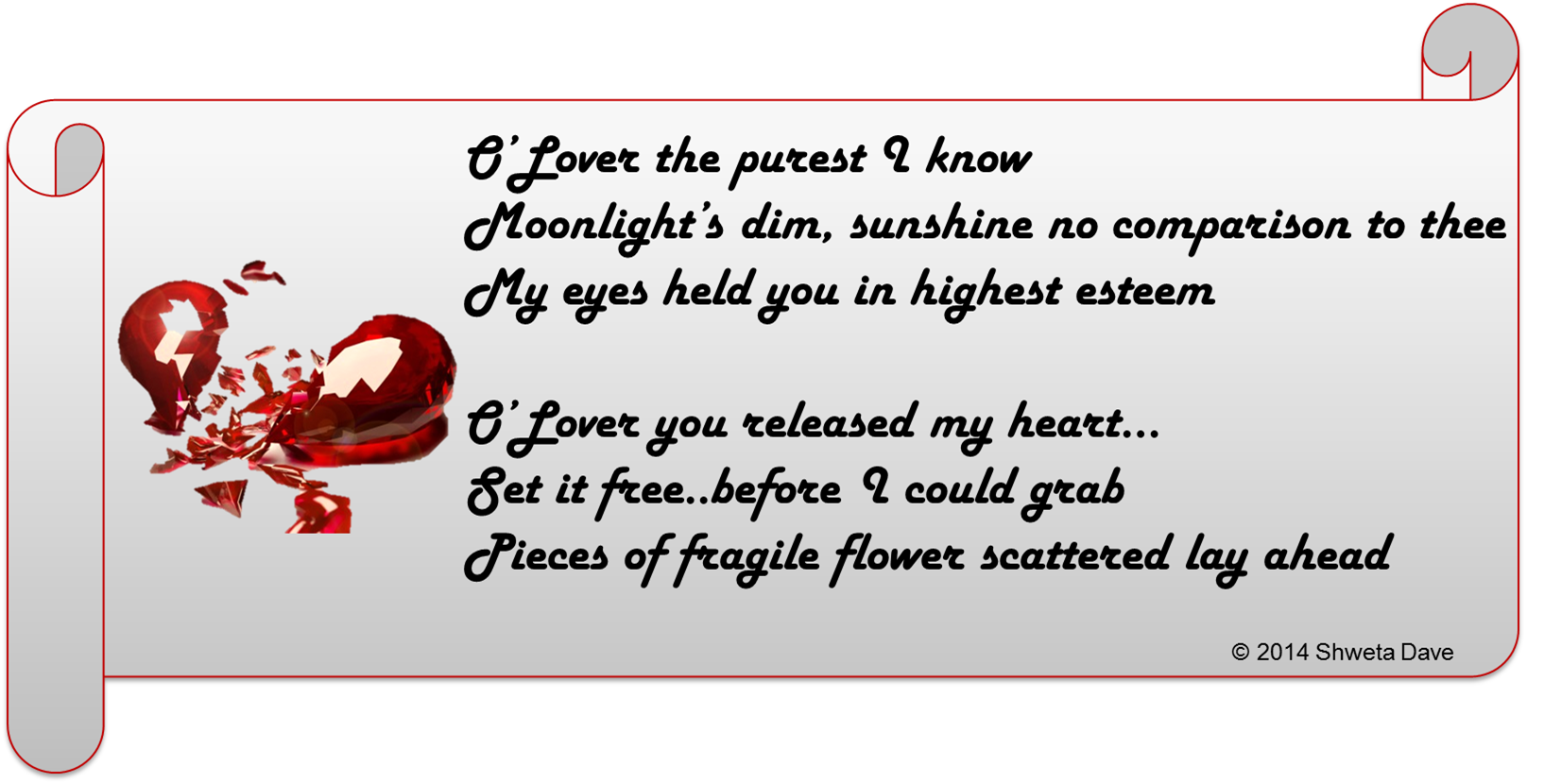
My first attempt at a Sedoka. The Katauta is an unrhymed Japanese form consisting of 17 or 19 syllables. The poem is a three-lined poem the following syllable counts: 5/7/5 or 5/7/7.
The Katauta form was used for poems addressed to a lover. A single katauta is considered incomplete or a half-poem, however, a pair of katautas using the syllable count of 5,7,7 is called a sedoka.
Soul – A Diamante

Soul
Kindled passionate
Flaming Seducing
Hopeful Happy Luckless Chastened
Inflicting Scourging Punishing
Wakeful Pious
Spirit
I have tried a new poem form called Diamante. A Diamante is a seven-lined contrast poem set up in a diamond shape. The first line begins with a noun/subject, and second line contains two adjectives that describe the beginning noun. The third line contains three words ending in -ing relating to the noun/subject. The forth line contains two words that describe the noun/subject and two that describe the closing synonym/antonym. If using an antonym for the ending, this is where the shift should occur. In the fifth line are three more -ing words describing the ending antonym/synonym, and the sixth are two more adjectives describing the ending antonym/synonym. The last line ends with the first noun’s antonym or synonym.
Line 1: Noun or subject
Line 2: Two Adjectives describing the first noun/subject
Line 3: Three -ing words describing the first noun/subject
Line 4: Four words: two about the first noun/subject, two about the antonym/synonym
Line 5: Three -ing words about the antonym/synonym
Line 6: Two adjectives describing the antonym/synonym
Line 7: Antonym/synonym for the subject
Would like more readers and friends to join in 🙂
Love Phoenixed!

I gather myself yet again,
Relations I curl in disdain.
My head strong but my feet weak,
What passed by is now dizzy and bleak.
My heart shattered, each piece shouting a resolution,
I won’t fall prey to this illusion.
Camouflaging my weakness, I shut my vulnerable self,
I hide from the world now nothing can help.
Without questions if, but or how,
Open myself to me and no one now.
Where I am myself without questions or doubt,
Where no one shuts me, its love abound.
I wait for the moment to get back that face,
Where my hand is held without any hate.
I’ll try again, give all I have, being not a loather,
Till then, this is my closure!
I gave myself to all ways of his
But now I know what exactly disenchantment is!
Love Slay!

O‘ Calm down…my rattling nerves!
Oh heart when will you start beating again?
Tears you have shed galore, the eyes stoned now howl rest!
The trembling fingers look for comfort
Of the missing fingers it were once intertwined in
The soul now pleads solace
When I knew the end was certain
Why did I still walk the path and lived this pain?
Love’s Ultimate Test!

An unknown relation, the names unknown,
Who are they but two people in flesh and bone.
What makes them different is just their love,
Of sacrifices and give ups they make thereof.
They take up a journey & travel miles virtual,
Life after that is far from usual.
Their eyes closed they feel the others hand,
Zenith of Passion, one of its kind.
Then as time passes, the names come up,
The changes and the differences then erupt.
We then becomes you and me,
The souls’ ignited lovers are no longer at peace.
That’s the true test to drown or be afloat,
They live or survive in this love boat.
Most of them think the world too big in this short life,
But the true ones just want to strive.
They never let go and be relentless,
Their life doesn’t exist loveless.
That’s when it brings back all assurance,
Of life’s and love’s reoccurrence!
Love Omen
Friends, this is a real experience. Just yesterday I was walking in my office campus in reverie questioning God when I came across this omen! I captured it in my camera but truly it was a reassurance to what I was thinking.

In the time when your heart sinks
Some reassurance of love God brings
Not all is over HE whispers in my ears
This omen I saw brought me tears!
All God says is “hang in there!”
Love will caress, love will care
That’s when you know
You don’t want to let go
Not let go that hand no matter what
The rope is strong it’s just got a knot
Keep on giving with just one hope
That one day you will get love and you will cope!